There is a moment, and every outdoor educator knows it, when a child who has been restless and disengaged inside suddenly comes alive the moment they step outdoors. They crouch down to examine something in the soil, ask a question nobody prompted, and stay focused for way longer than anyone expected.
At The Ecoliteracy Project, we treat that moment as the baseline, not a special occasion.
What the research tells us
The evidence for outdoor learning has piled up over the past two decades: better attention, lower anxiety, stronger working memory, more motivation to learn.
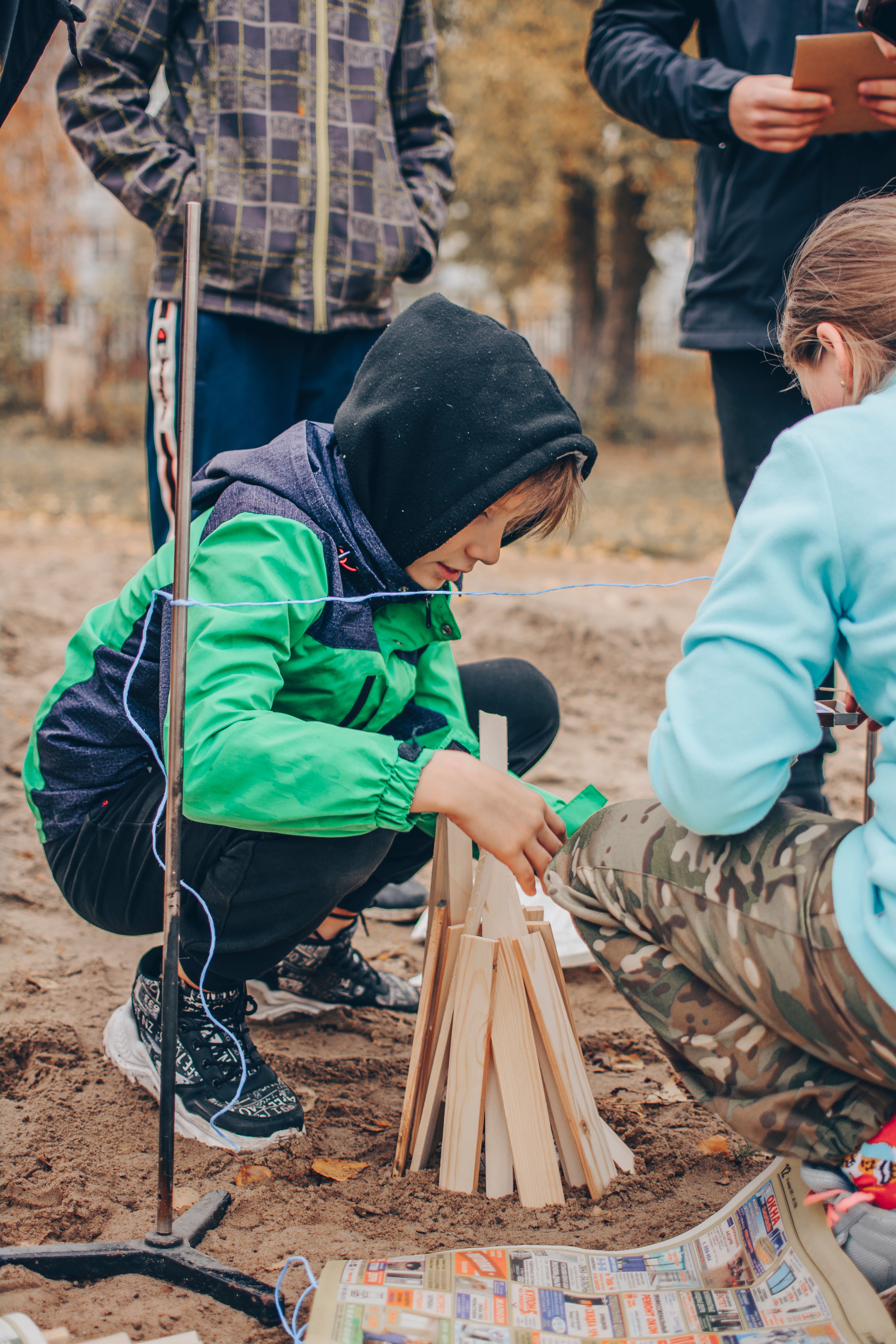
But beyond the research, we see it every day. Children who struggle to concentrate indoors will spend 45 minutes absorbed in building a shelter. Children who resist writing will fill pages of a nature journal without being asked.
What it looks like in practice
Our outdoor sessions are carefully planned learning experiences connected directly to our curriculum, not unstructured free time. A math lesson might involve measuring and calculating the load-bearing capacity of a den. A science lesson might involve tracking weather patterns over a term.
The outdoors isn't a reward for finishing other work. A lot of our actual learning happens there.
← Back to Blog