Our Philosophy
Roots, Branches, and Canopy: three stages, one continuous relationship with the living world.
A Curriculum Grown, Not Imposed
We organize our curriculum the way a woodland organizes itself: in layers that depend on one another. Each stage has its own focus, but nothing stands alone, and skills from one layer feed directly into the next.
We call these layers Roots, Branches, and Canopy. Below is what each one looks like in practice.
Roots
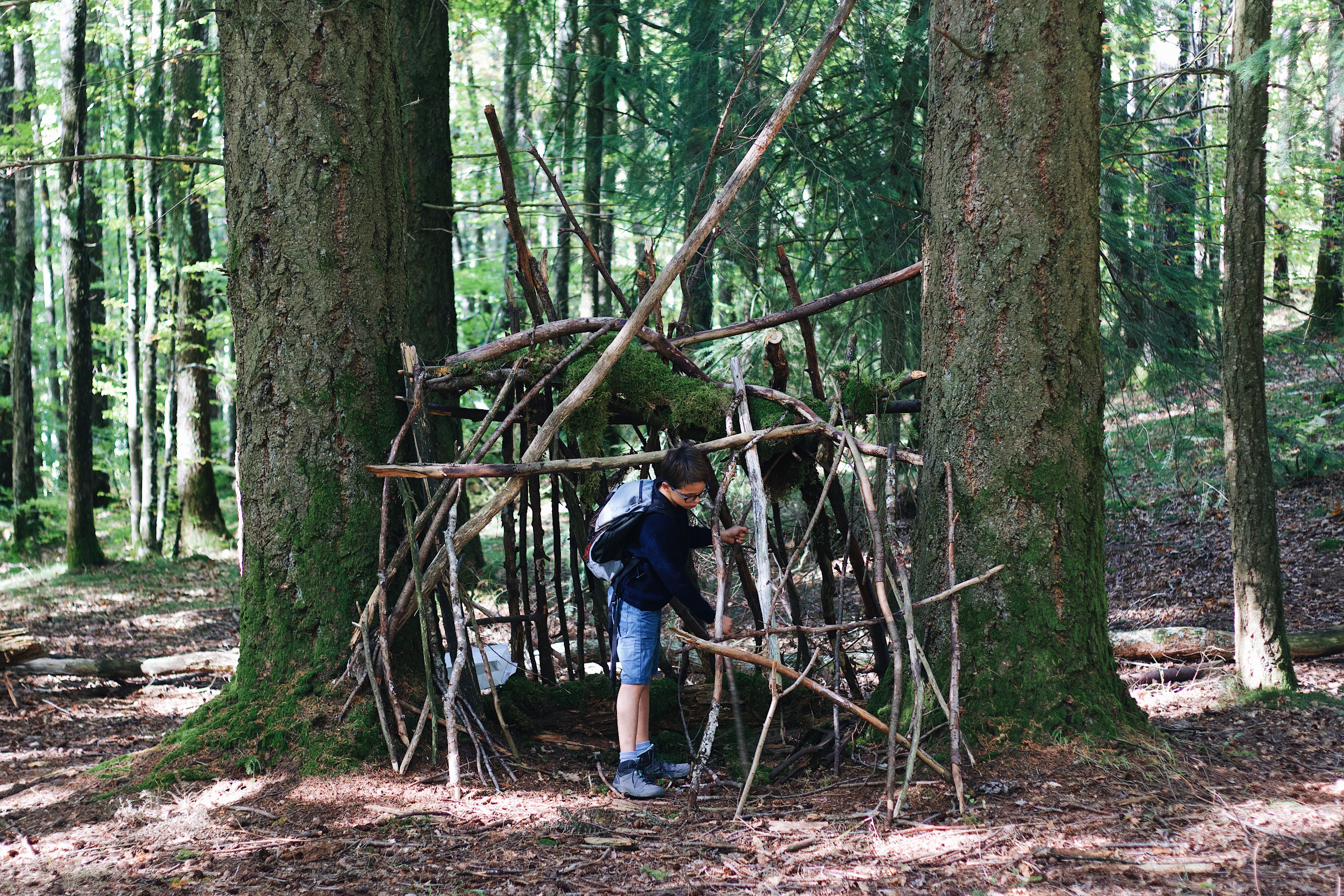
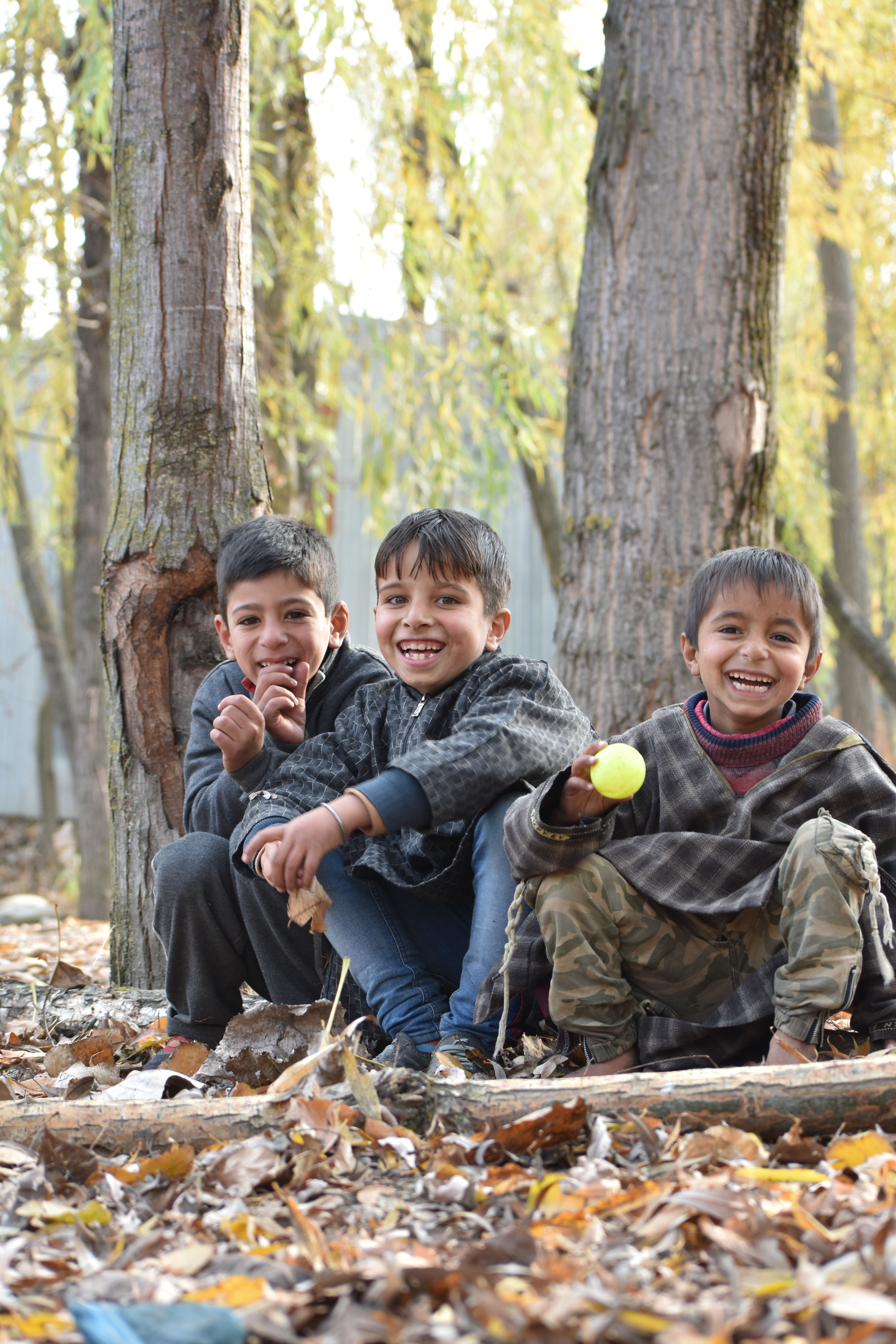
The early years are about establishing a felt sense of the natural world (soil, water, weather, growth and decay) through play, story, and daily time outdoors. Literacy and number sense grow from real experiences: counting eggs, naming birds, measuring rainfall.
Branches
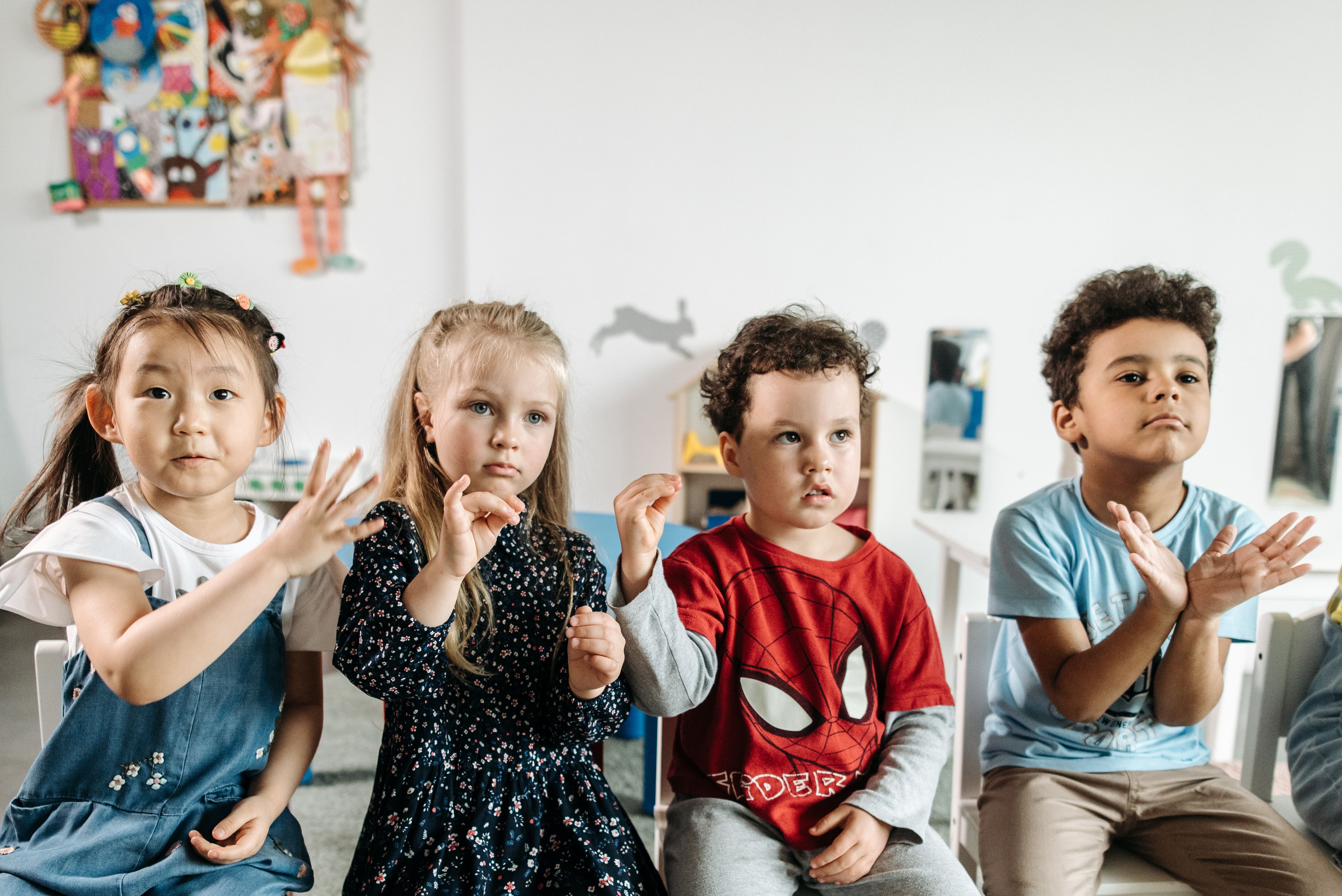
Children begin to ask 'why' and 'how', and our project-based curriculum follows those questions outward. A unit on rivers becomes a study of the stream behind the school; a math topic on area becomes a redesign of the vegetable beds.
Canopy
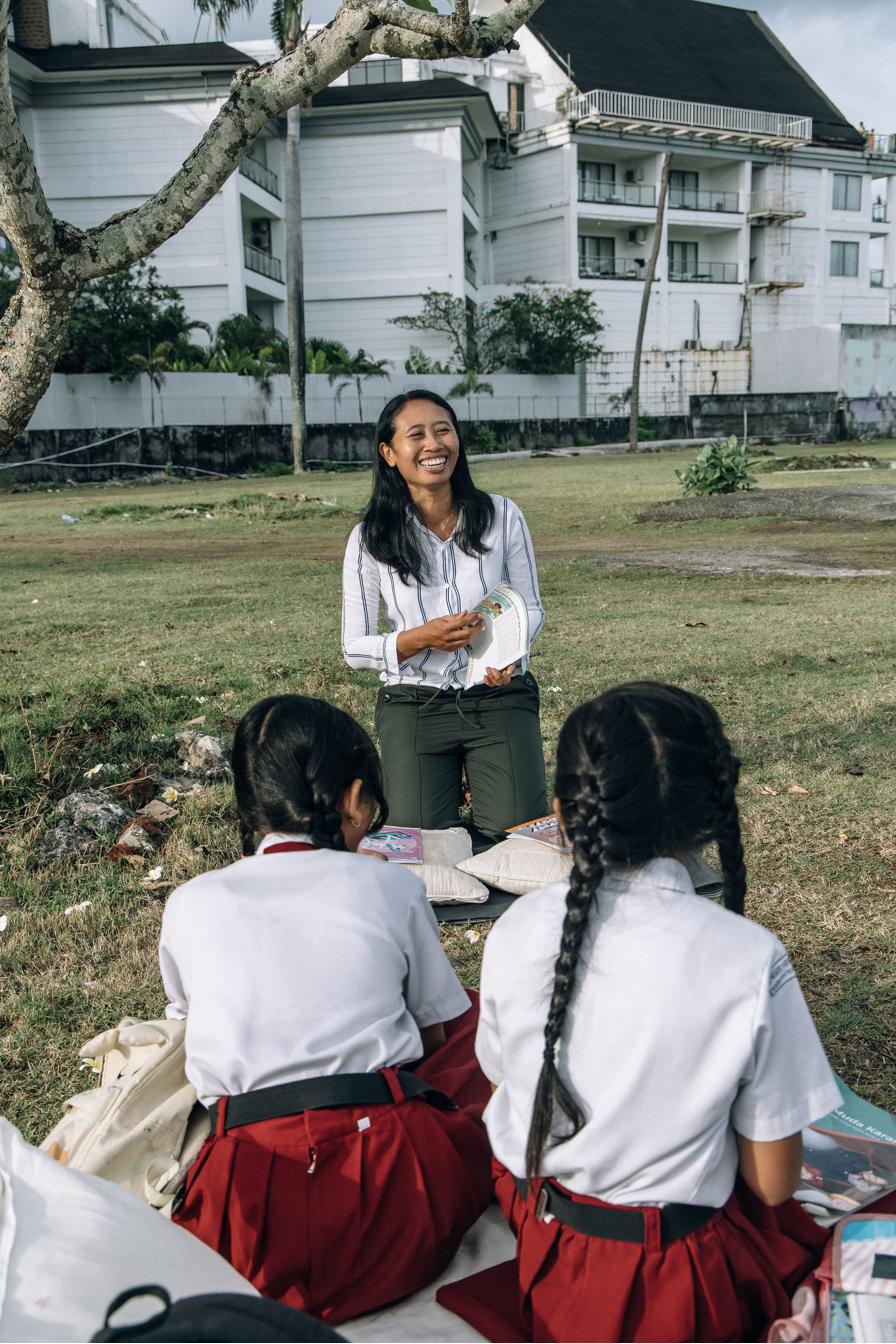
Older students take on real responsibility: managing growing spaces, mentoring younger children, and leading land-based projects, all while working toward a full high school course load. Ecoliteracy runs through every subject, not just a dedicated few.
“We don't teach ecology as a topic. We teach everything else as if ecology were already true.”
Director of Studies, The Ecoliteracy Project

Assessment That Looks Like a Field Notebook
We assess constantly, but gently. Teachers keep observational records, portfolios of project work, and seasonal check-ins, with formal reporting twice a year so families always know exactly where things stand.
From ninth grade, this shifts to formal high school preparation. The same principle holds: assessment describes growth. It doesn't get in the way of it.
Want to See a Day in Practice?
Book a visit and we'll walk you through a typical day at whichever stage interests you most.
Get in Touch