Goals
Woven through Roots, Branches, and Canopy: what we're aiming for, and why.
What We Want Every Child to Carry With Them
We didn't write a list of facts for children to memorize. What we actually want is for every child to leave curious about how systems connect, comfortable outdoors, and genuinely caring about the world around them.
These goals scale with the child, from a first-hand feel for soil and seasons in the early years, to genuine land stewardship by the time they leave us.
What Progress Toward These Goals Looks Like
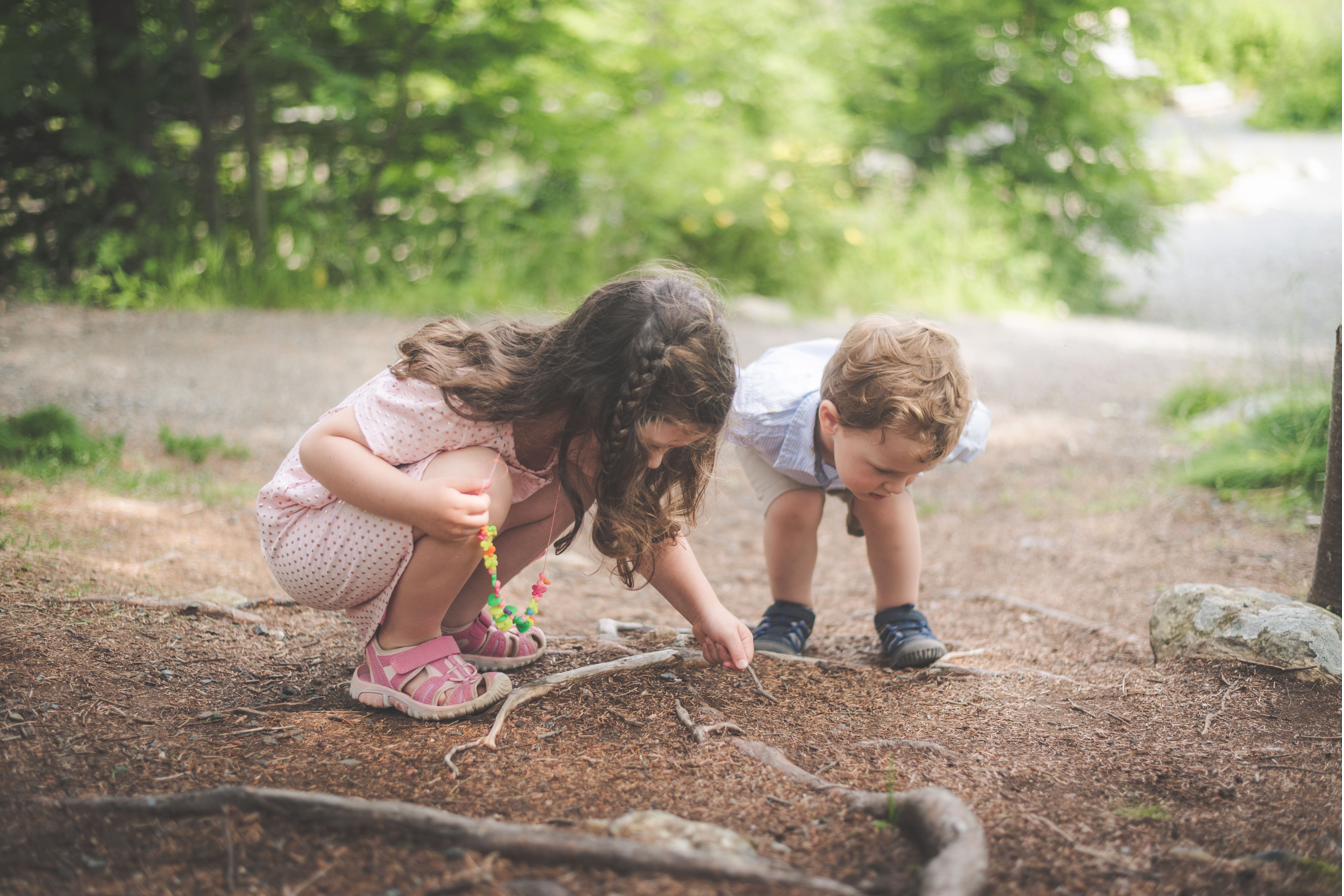
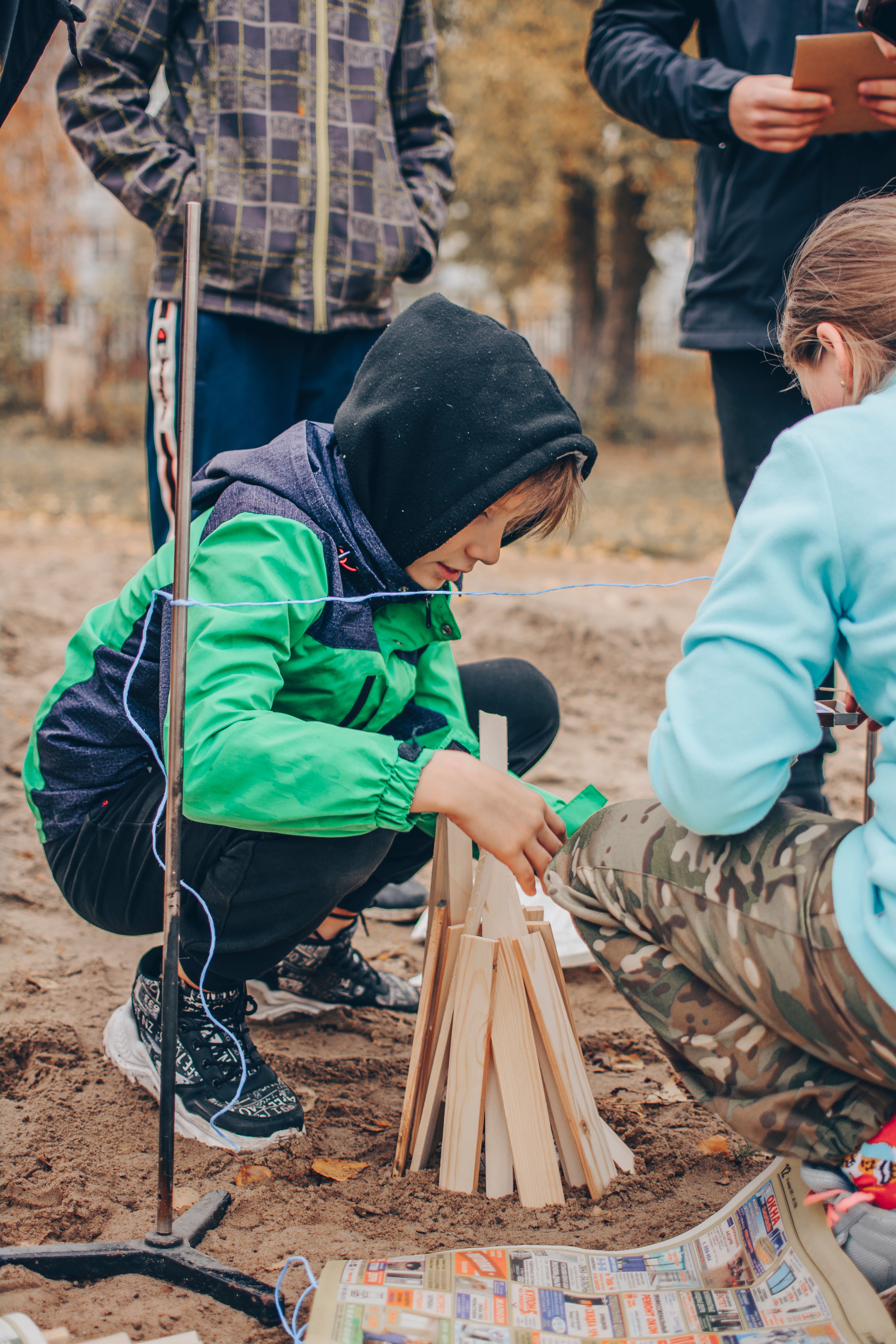
Progress shows up in small, everyday moments: a child who notices when the pond level drops after a dry week, or who asks why the compost from the kitchen matters. Teachers watch for this thinking and build on it deliberately.
We check in on these goals each term, alongside academic progress, so families can see the whole picture of how a child is growing.
“Any child can learn facts about ecosystems. We want ours to feel like they're part of one.”
Director of Studies, The Ecoliteracy Project
What We're Working Toward
Systems Thinking
Children learn to trace how one change (weather, waste, a choice) ripples outward into everything else.
Real-World Confidence
Measuring, building, and observing outdoors builds practical competence, not just theoretical knowledge.
Genuine Stewardship
By the time children leave us, caring for a shared space feels like a responsibility, not a chore.
Lifelong Curiosity
A habit of noticing and asking questions about the living world, one that lasts well beyond school.
Curious What This Looks Like in Practice?
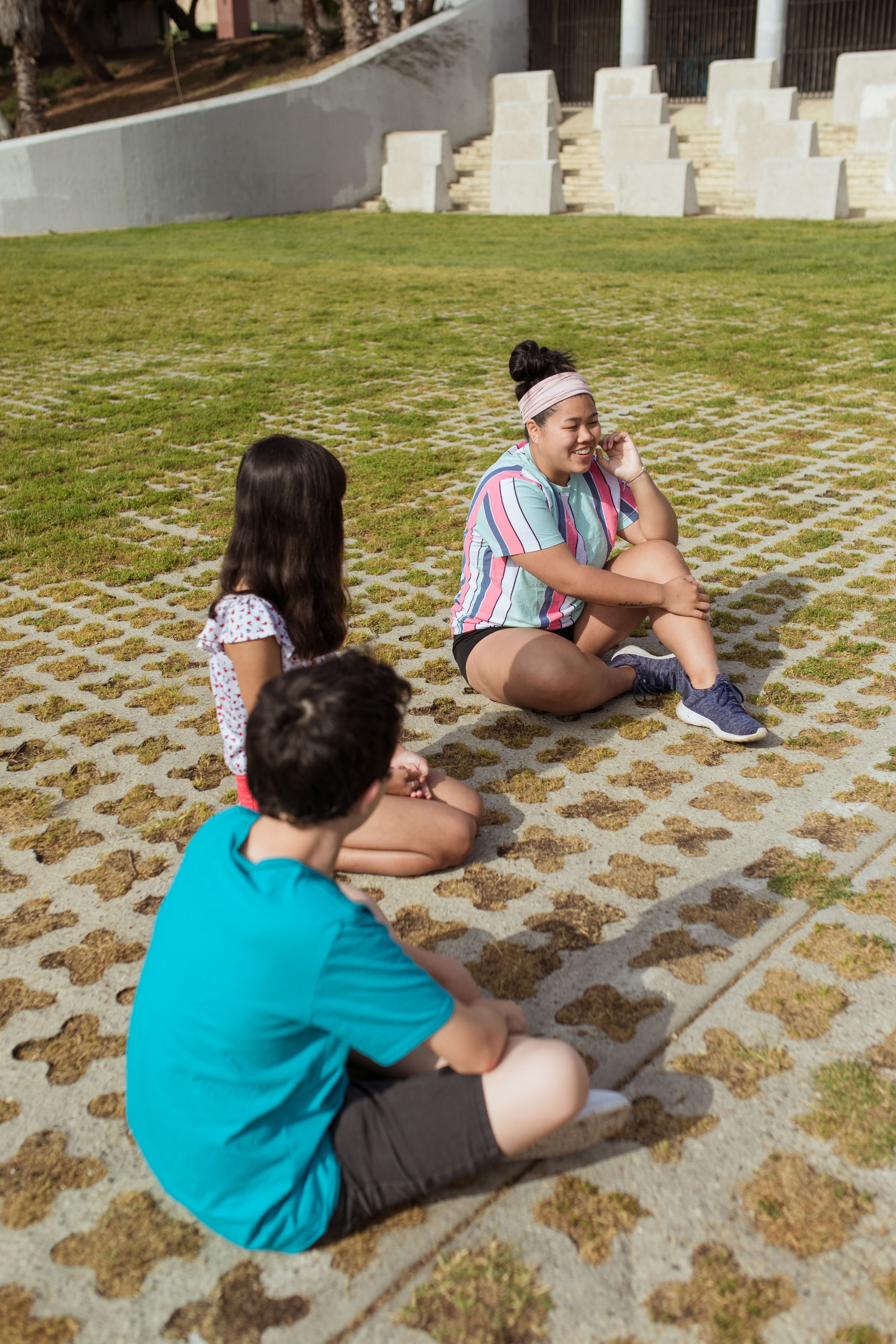
Join us for an open morning and see these goals in action for yourself.
Get in Touch